The Role of Primary Care in Community Health Initiatives


The Importance of Primary Care in Community Health
Primary care serves as the foundation of effective healthcare systems worldwide. It functions as the first point of contact for individuals seeking medical attention and plays a crucial role in maintaining the overall health of communities. By focusing on prevention, wellness, and the management of chronic conditions, primary care providers help to reduce the need for more costly specialty and emergency care.
In community health initiatives, primary care often acts as a catalyst for change, promoting healthier lifestyles and preventing disease through education and early intervention. This proactive approach not only improves individual patient outcomes but also enhances the health of the entire community.
Preventive Care and Education
One of the core functions of primary care is to offer preventive care, which includes vaccinations, screenings, and health education. By focusing on prevention, primary care practitioners help reduce the incidence of diseases and manage risk factors such as high blood pressure, obesity, and smoking. This preventive approach is vital in community health initiatives, where the goal is to empower individuals to take charge of their health.
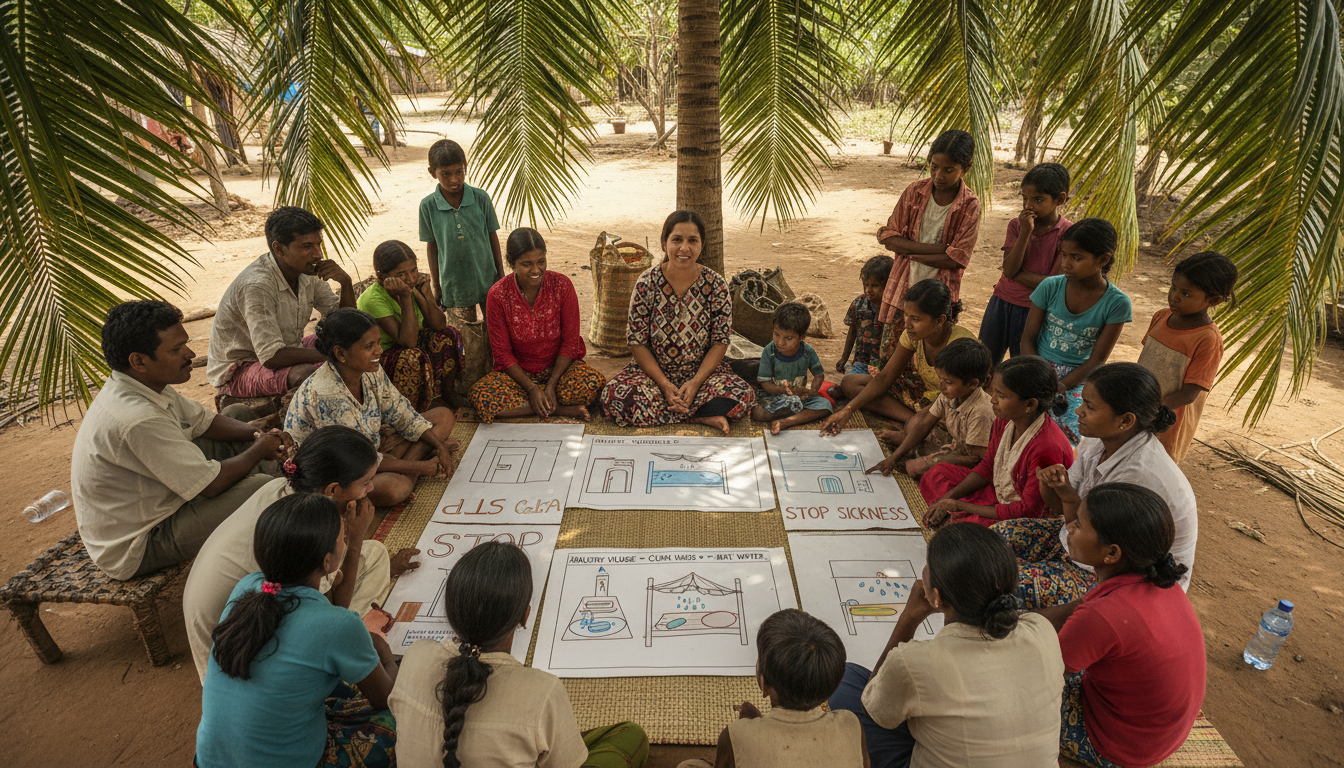
Education is another critical component. Primary care providers educate patients on healthy lifestyle choices, proper nutrition, and the importance of regular exercise. This information is essential for preventing chronic diseases and promoting long-term health. Community health initiatives often include workshops and seminars led by primary care professionals to reach a broader audience.
Chronic Disease Management
Managing chronic diseases like diabetes, hypertension, and heart disease is a significant focus of primary care. These conditions require ongoing management and regular monitoring, which primary care providers are well-equipped to handle. By offering personalized care plans and continuous support, they help patients maintain their health and avoid complications.

Community health initiatives often integrate primary care services with other resources to provide comprehensive support for individuals with chronic illnesses. This integration ensures that patients receive the care and resources they need to manage their conditions effectively.
Collaboration with Community Resources
Primary care providers frequently collaborate with other community resources, such as schools, local businesses, and non-profit organizations, to extend their reach and impact. These partnerships enable the development of tailored health programs that address the specific needs of the community.
For example, primary care clinics might work with local schools to implement health education programs for children or partner with non-profits to offer free health screenings and resources for underserved populations. This collaborative approach maximizes the effectiveness of community health initiatives by leveraging the strengths of various stakeholders.

Addressing Social Determinants of Health
Primary care plays a vital role in addressing social determinants of health, such as economic stability, education, and access to healthcare. By identifying and addressing these factors, primary care providers help to eliminate barriers to health and promote equity within communities.
Community health initiatives often include strategies to improve access to care, such as mobile clinics, telehealth services, and transportation assistance. These efforts ensure that all community members can benefit from the resources and support they need to lead healthy lives.
The Future of Primary Care in Community Health
As community health initiatives continue to evolve, the role of primary care will remain central. Advances in technology, such as electronic health records and telemedicine, are enhancing the ability of primary care providers to deliver personalized, efficient care. These tools enable better tracking of patient outcomes and facilitate communication between providers and patients.
Moreover, primary care will continue to adapt to the changing needs of communities, integrating new strategies and resources to address emerging health challenges. By staying at the forefront of innovation and collaboration, primary care will continue to be a driving force in improving community health.